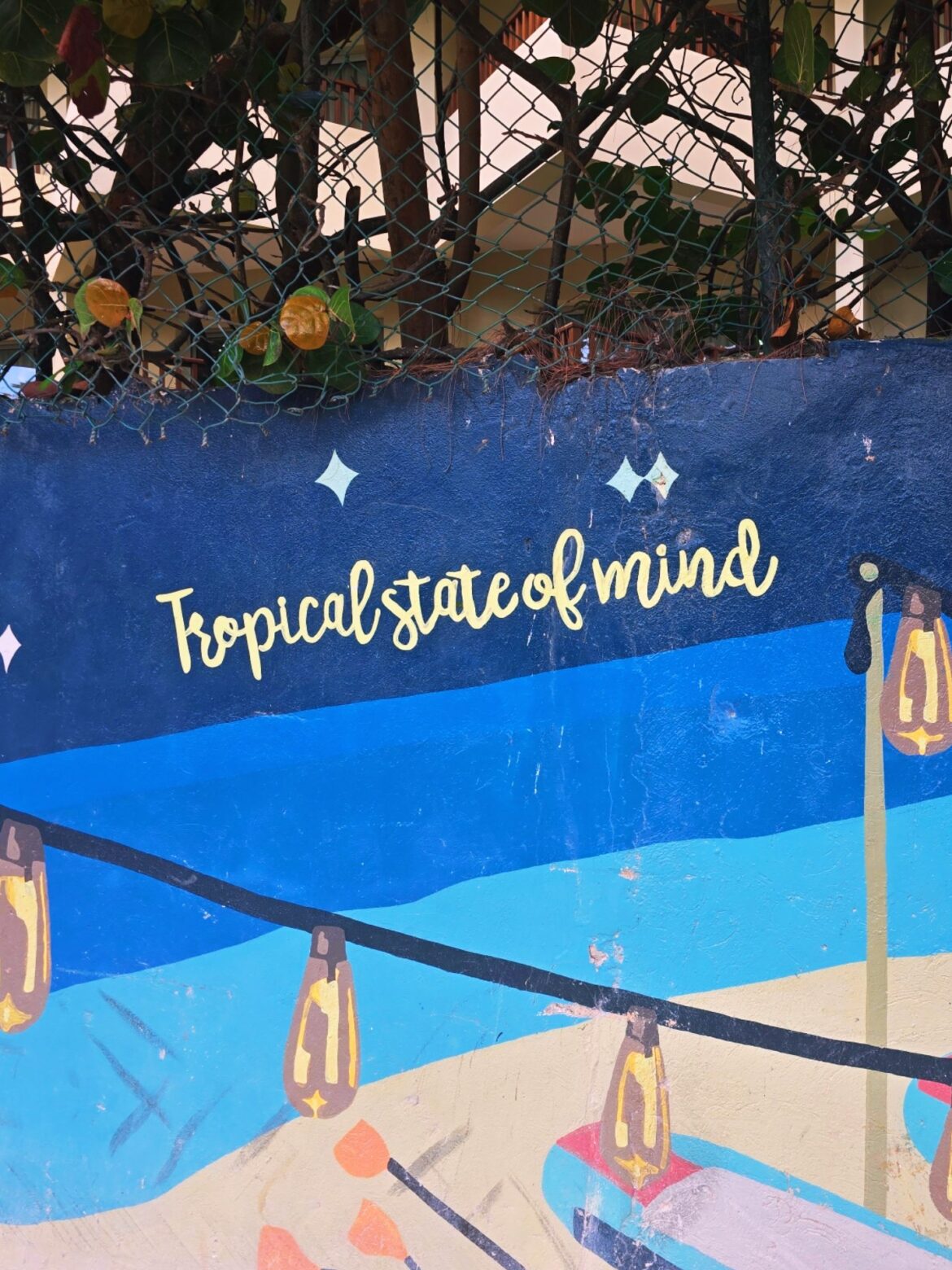
We decided to leave the snow and ice behind and take a short trip to the Dominican Republic for a mid-winter warm up. If all-inclusive resorts are your preference, this experience may not be your mojito, but if you are interested in seeing a different side to this beautiful Caribbean nation, this feature will give you a glimpse of its personality with a “heavy” emphasis on delicious food and local interaction.
Sipping Chinola: The Star of Our Punta Cana Cocktail Hour
Why chinola? Because it is my favorite fruit, the passion fruit! A couple years ago, while celebrating my birthday in Martinique, I was gifted with the most delicious, tropical birthday cake featuring passion fruit and it took my love for it to a whole new level. Commonly used in two of my favorite drinks, The Porn Star (I didn’t name it) and the Chinola Mojito, the passion fruit is a perfect combination of citrus and tropical with notes like orange or grapefruit mixed with pineapple or mango. So after a brief stop at our Airbnb to drop our bags, we headed to one of the beachfront bars and I ordered a chinola mojito to toast the 80 degree weather (an increase of 70 degrees from home).
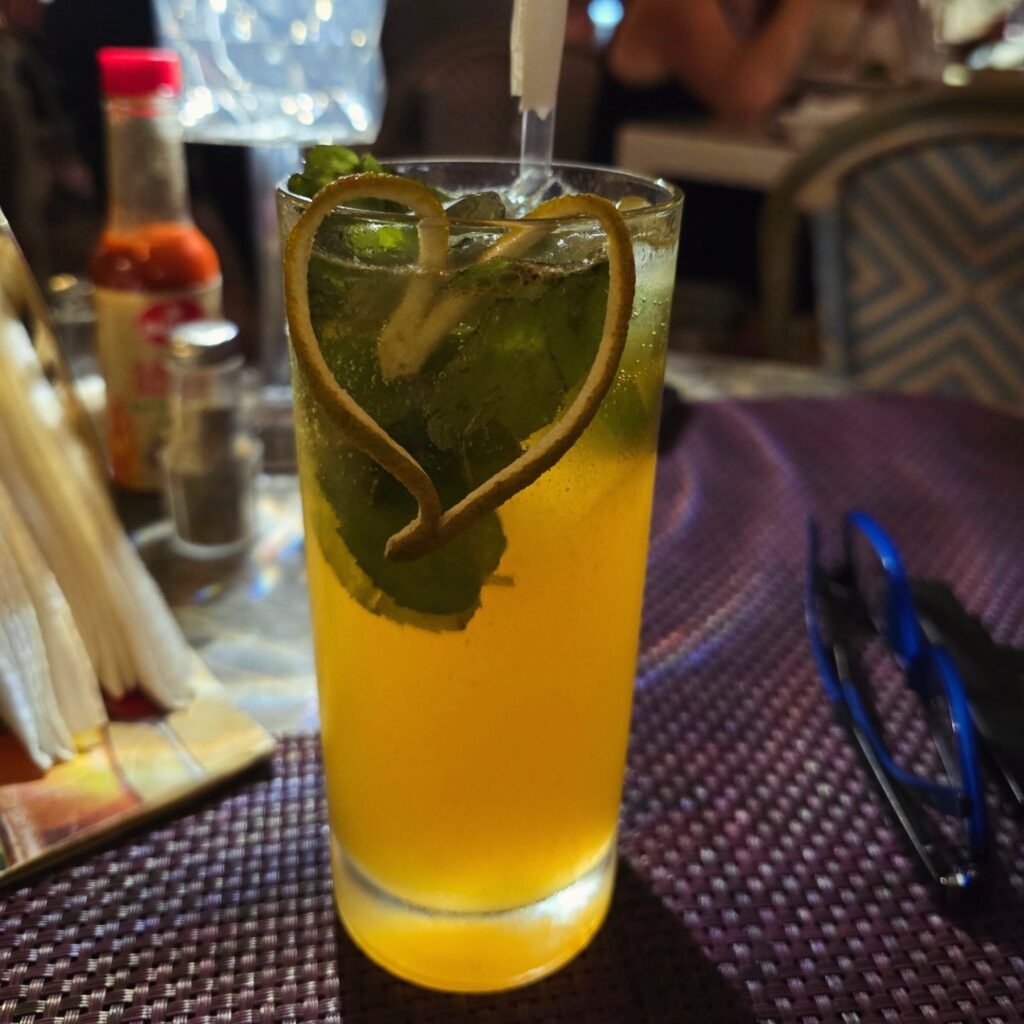
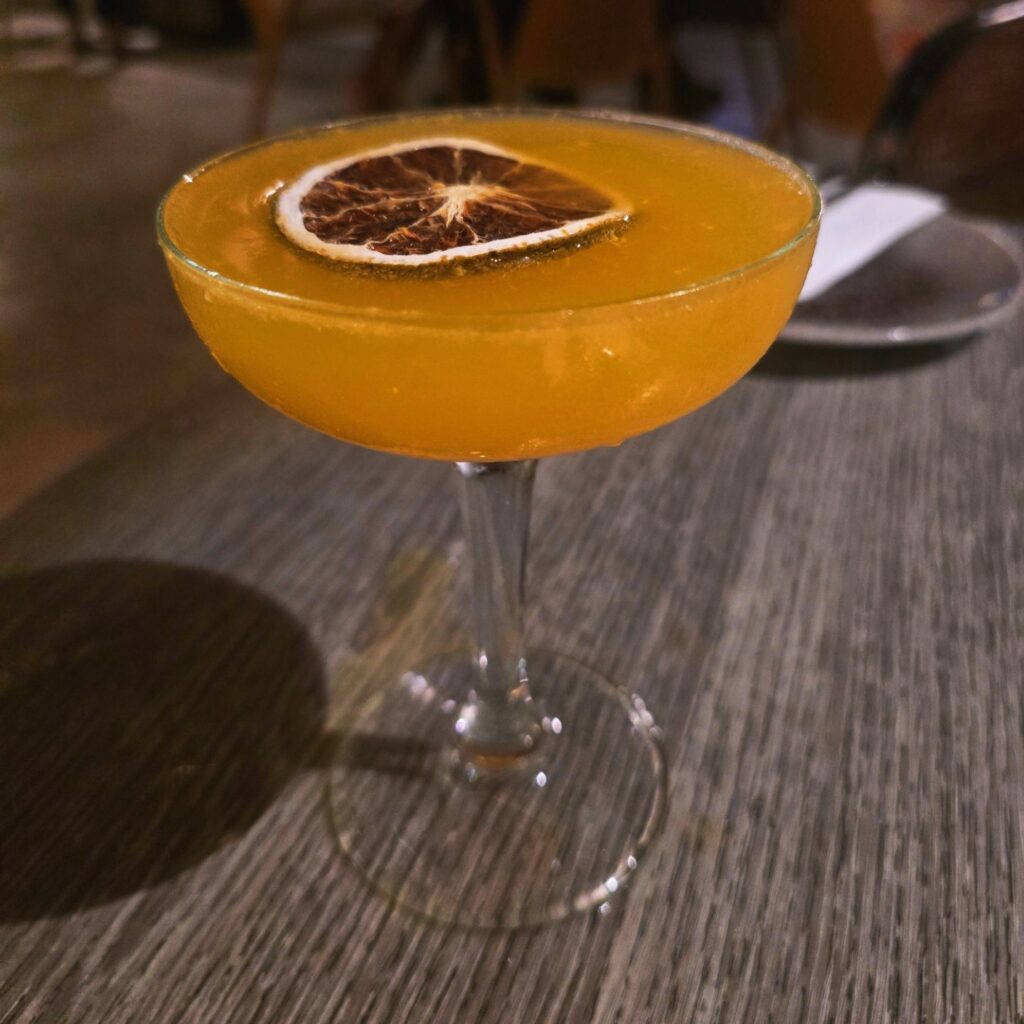
| Passion Fruit (Chinola) Mojito | Porn Star |
| 8-10 Mint Leaves | Vanilla Vodka |
| 1-2 Lime Wedges (or 1/2 oz fresh lime juice) | Passion Fruit Liqueur (often Passoa) |
| 1 oz Passion Fruit Pulp or Puree | Passion Fruit Puree or Juice |
| 1.5 – 2 oz White Rum | Simple or Vanilla Syrup (for sweetness) |
| 1/2 – 3/4 oz Simple Syrup or Sugar to Taste | Fresh Lime Juice (Optional) |
| Ice and Soda Water (Club Sode) to top | Half a Passion Fruit or dried portion for garnish |
| Garnish with Mint Sprig, Lime Wheel or Passion Fruit Seeds | Champagne or Sparkling Wine served in separate shot glass |
Swapping Resorts for Rentals: The Real‑Life Punta Cana Experience
In the past, I have booked accommodations through Booking.com, specifically selecting no-frills condos or villas with quick access to the beach and close proximity to local restaurants, bistros, bars, a pharmacy and small bodegas, but I decided this trip to look at Airbnb options in the Playa Galina area. I selected Lucio’s home on Calle Marcio Maggiolo, a two-bedroom condo in a keyed entry complex and beautiful courtyard with a pool. Lucio and his staff were responsive and provided great recommendations to local eateries and an offer to arrange any activities in which we were interested.
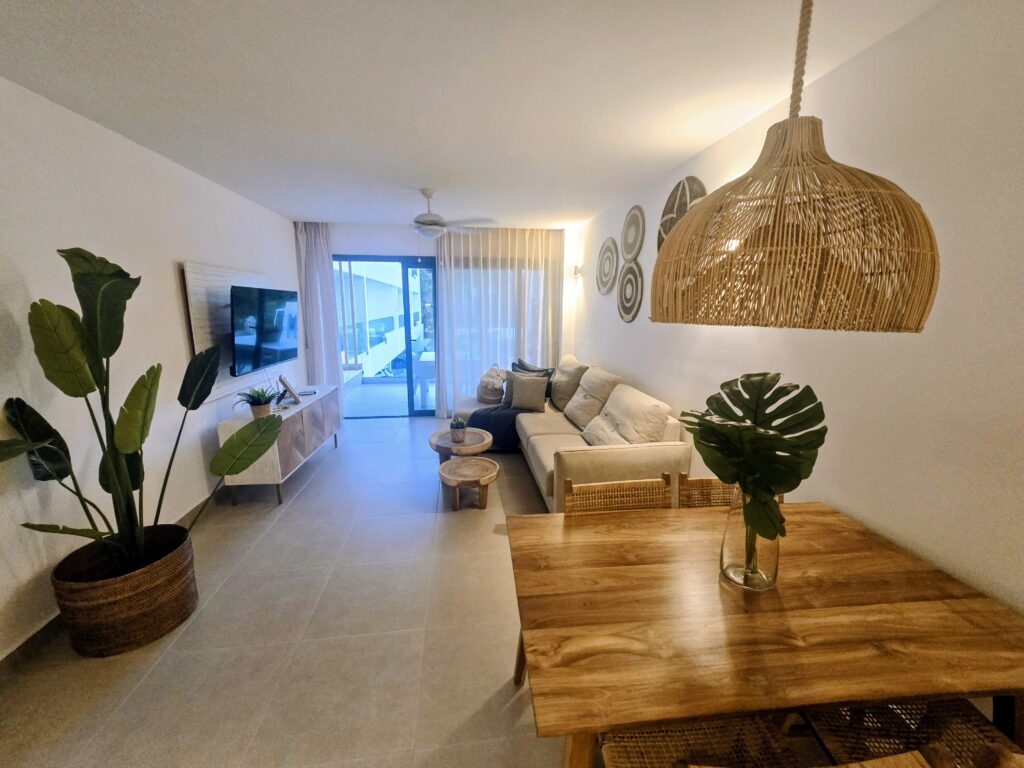
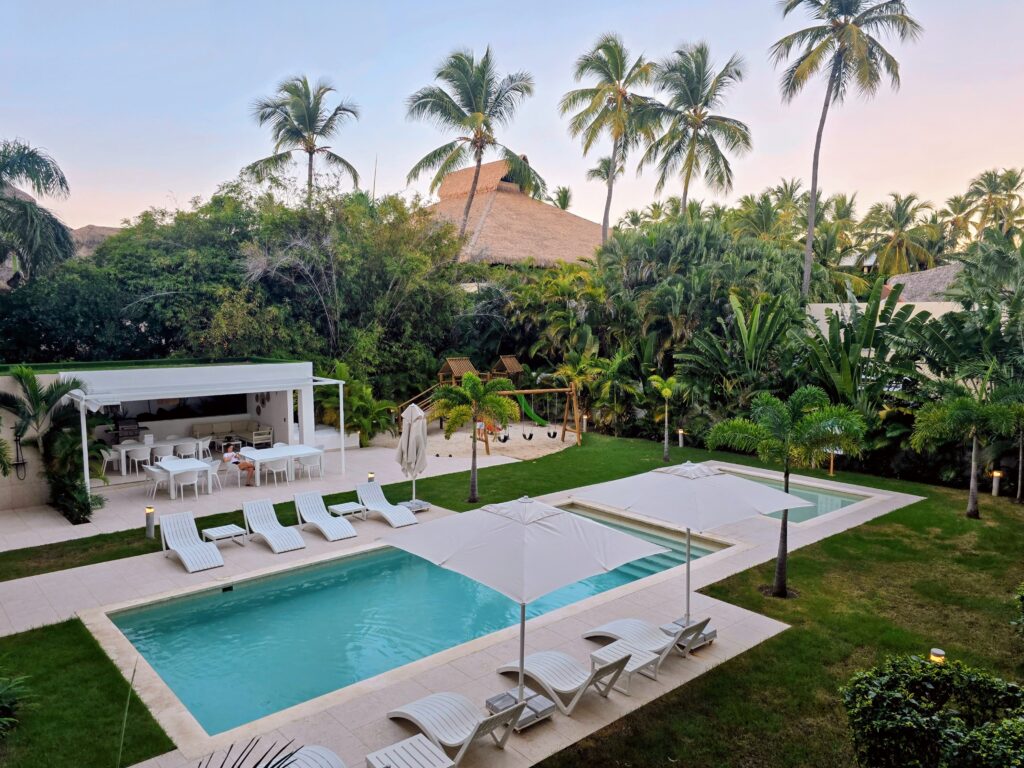
I highly recommend being thorough when reading host reviews and if it is your first time experiencing Punta Cana outside resort walls, ensure your host speaks English and has reviews that highlight how well he or she responds to requests and even questions.
Staying outside an all‑inclusive in Punta Cana means trading a bit of hotel‑style perfection for more local flavor. You might bump into a few minor inconveniences along the way, but they’re easy to handle if you know what to expect.
Showers: sometimes hot, sometimes… less hot
Outside resort areas, water systems can be a little unpredictable. In smaller hotels or apartments, hot water and water pressure can fluctuate, especially at peak times or after heavy rain. It’s rarely a big problem, but don’t be surprised if your shower is gloriously hot one day and just warm the next. A good trick is to shower a bit earlier in the evening or morning, when fewer people are using water.
Water: stick to bottles, not the tap
In most local guesthouses and apartments, tap water isn’t meant for drinking. Dominicans themselves usually drink bottled or filtered water, so as a visitor you’ll want to do the same. I recommend keeping a large 5‑gallon jug or a few big bottles in your room for drinking and brushing your teeth, and using tap water only for showering. You’ll find water sold everywhere—from colmados (corner shops) to supermarkets—so it’s more of a habit shift than a real hardship.
Noise & neighborhood life
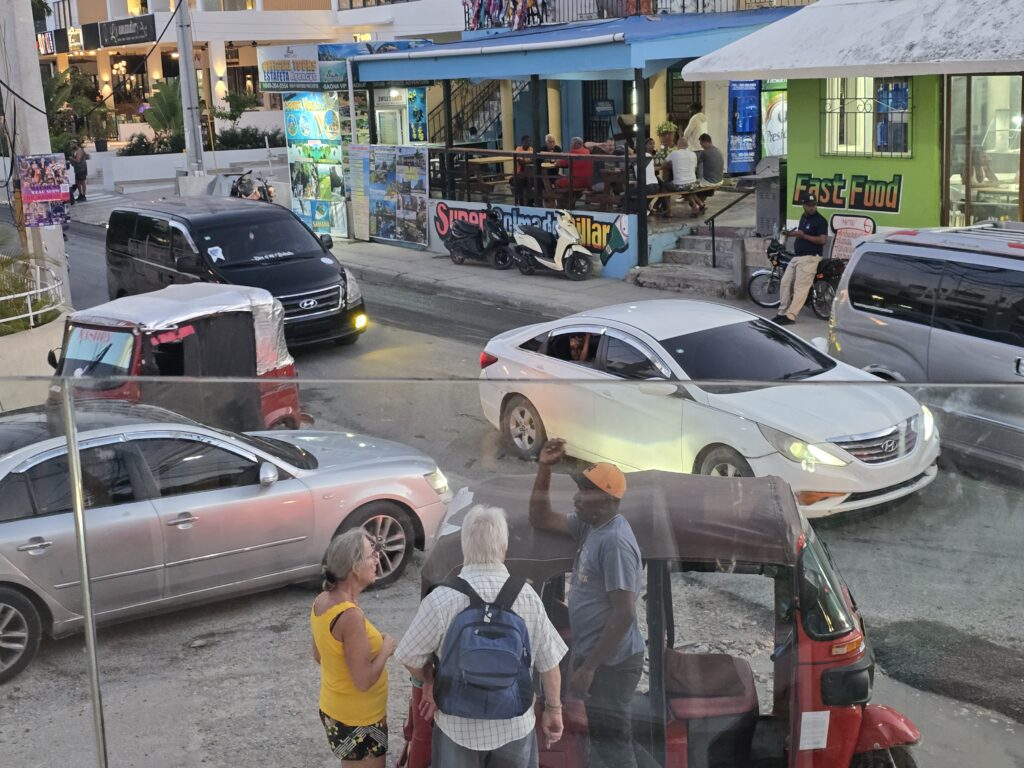
Staying in a local area means you’ll hear real Dominican life: motors, music, kids playing, maybe a rooster or two. Pack earplugs if you’re a light sleeper, and think of it as part of the soundtrack of the Caribbean.
Mofongo, Mango, and More: A Bite‑by‑Bite Experience
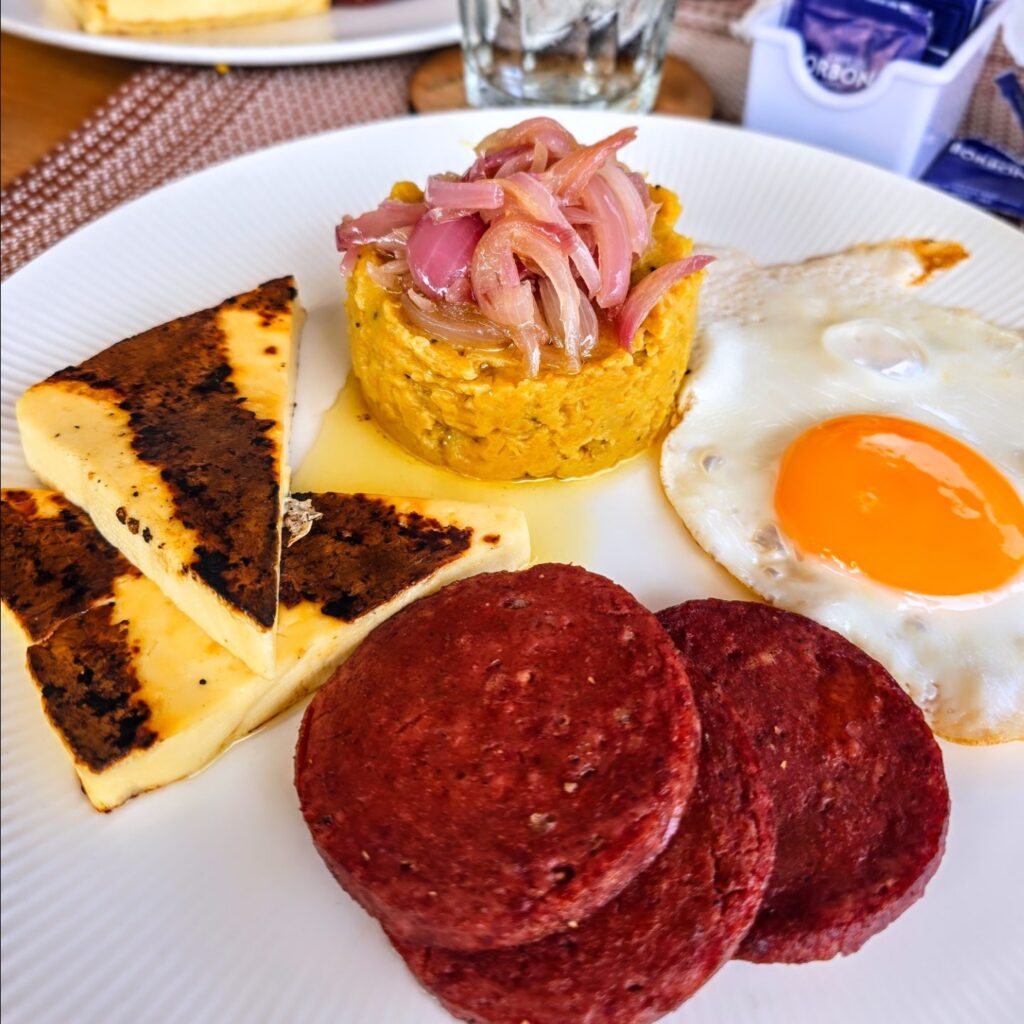
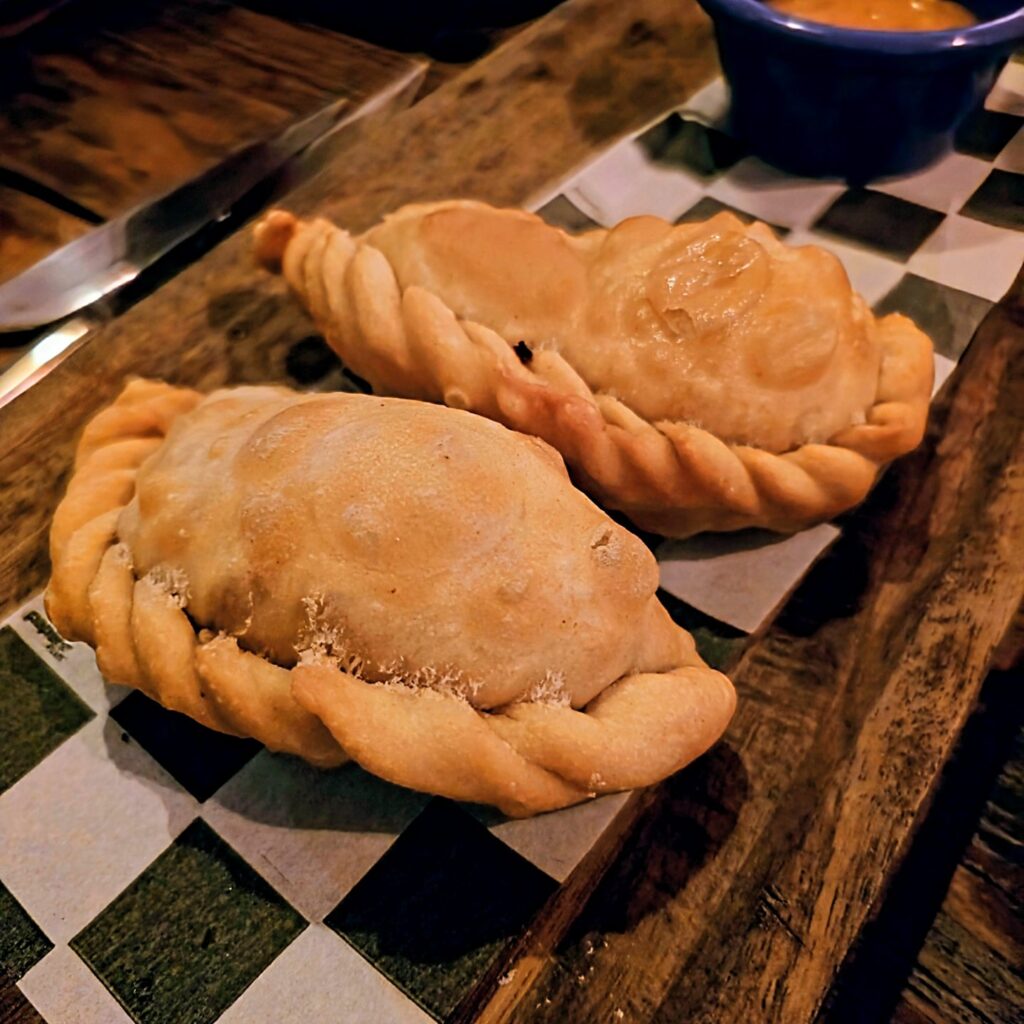
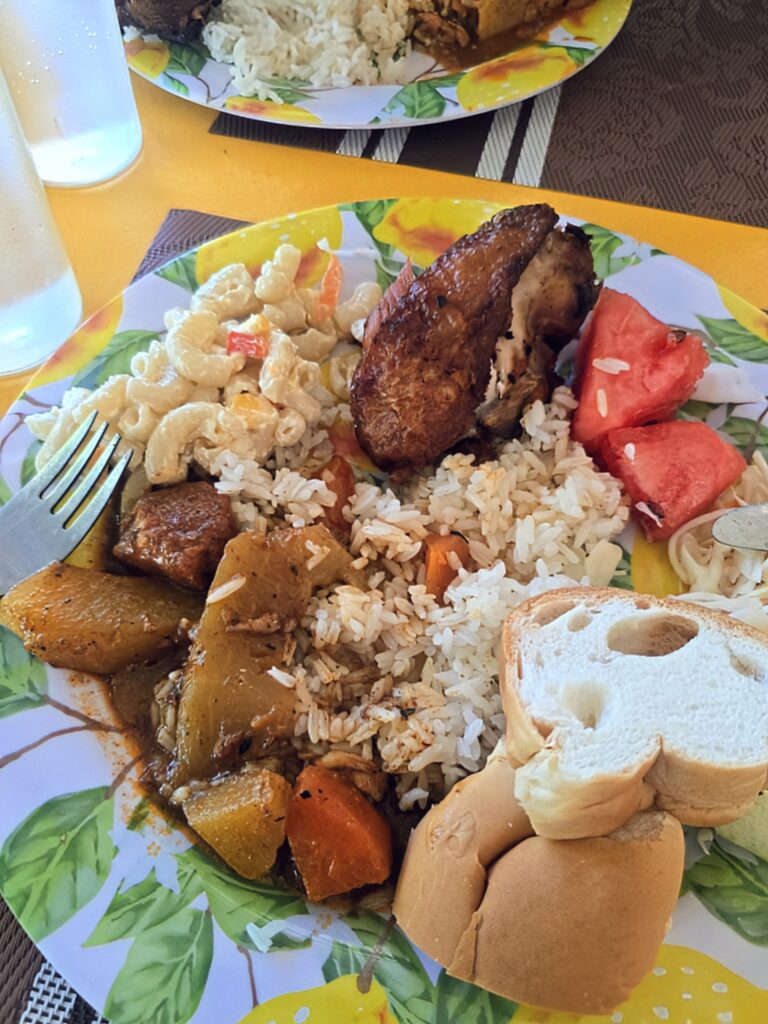
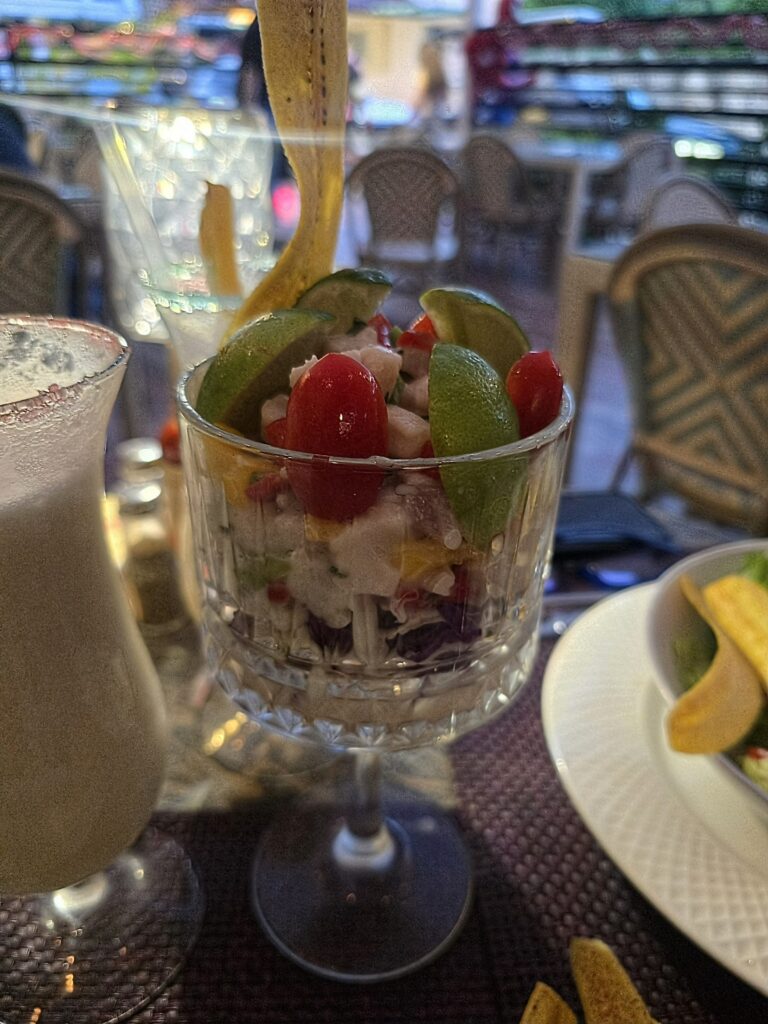
On this trip, we ate our way through both the Dominican and ex‑pat sides of Punta Cana’s and Samana food scenes. We enjoyed local comfort dishes: rice, bean, greens, hearty traditional Dominican stews, and my favorite, the classic Dominican breakfast where the star was mofongo, served alongside eggs and sausage. To balance the heat, we balanced those richer dishes with bright, citrusy ceviches and delicate tartars. Fresh fruit, especially pineapple, mango, and papaya, was a constant: at breakfast, on the beach, and in drinks.
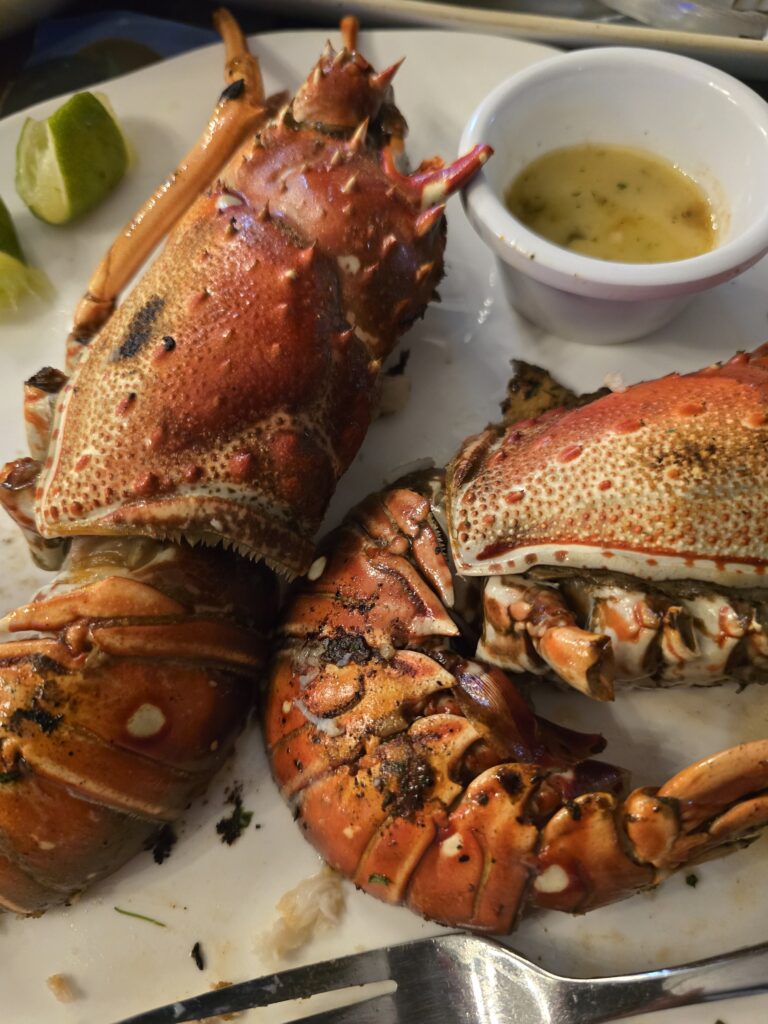
Seafood was another highlight: lobster, mahi‑mahi, and snapper appeared on menus in all kinds of creative ways, often prepared in fusion styles that layered Dominican flair onto Asian, Italian, and other international cuisines.
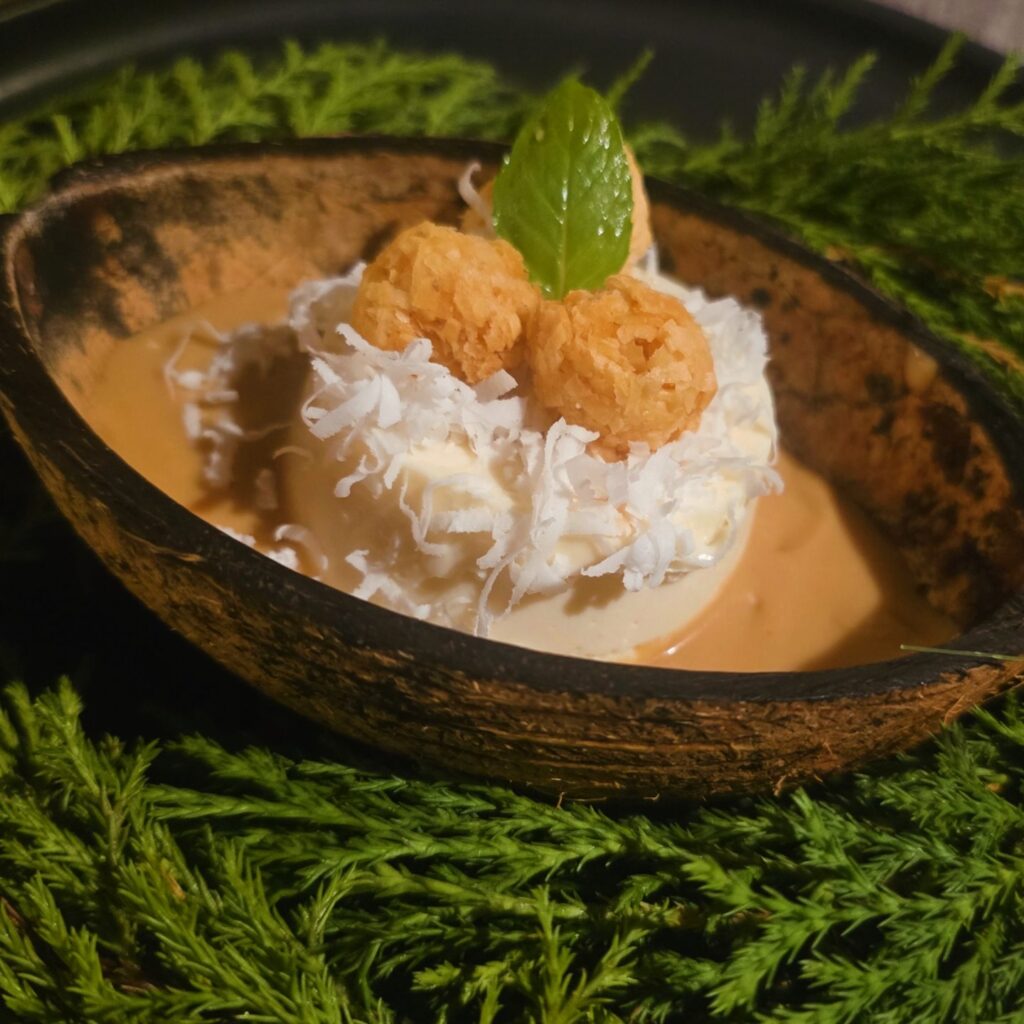
Alongside all this local flavor, we also explored the ex‑pat side of town, where Italian cuisine is especially strong. Homemade pastas and beautiful Italian pastries—think crisp mille‑feuilles and soft, sugar‑dusted bombolis, often filled with fresh, fruity, tropical custards—sat alongside charming French bakeries turning out light, buttery croissants, crisp palmiers, and rich pain au chocolat. Together, these meals told the story of a destination where Dominican tradition and global influences share the same table.
Chasing Whales and Waterfalls: Exploring Samaná
Although we relaxed on lounge chairs on the beach watching parasails float above us and hearing the music and laughter of the periodically passing party boat, the highlight of this trip was our 16 hours adventure to the Samana Peninsula. Despite visiting DR several times in the past, I did not know between January and March, the same waters where we could be sipping chinola cocktails and eating fresh mahi‑mahi turn into a nursery for giants. Humpback whales leave the cold North Atlantic and travel to the warm, sheltered seas where the Atlantic meets the Caribbean, off the Dominican Republic, to mate and have their calves.
We went out early in the season, so the newborns hadn’t really arrived yet. Instead of mothers with calves, we spotted soon‑to‑be mothers on the move—five partial breaches that sliced out of the water just long enough to make everyone on the boat gasp and scramble for their cameras. Even without baby whales at the surface, it felt powerful to know we were watching these animals arrive at one of the world’s great humpback breeding grounds, a protected sanctuary where, over the next few weeks, they’d be giving birth just beyond the horizon.
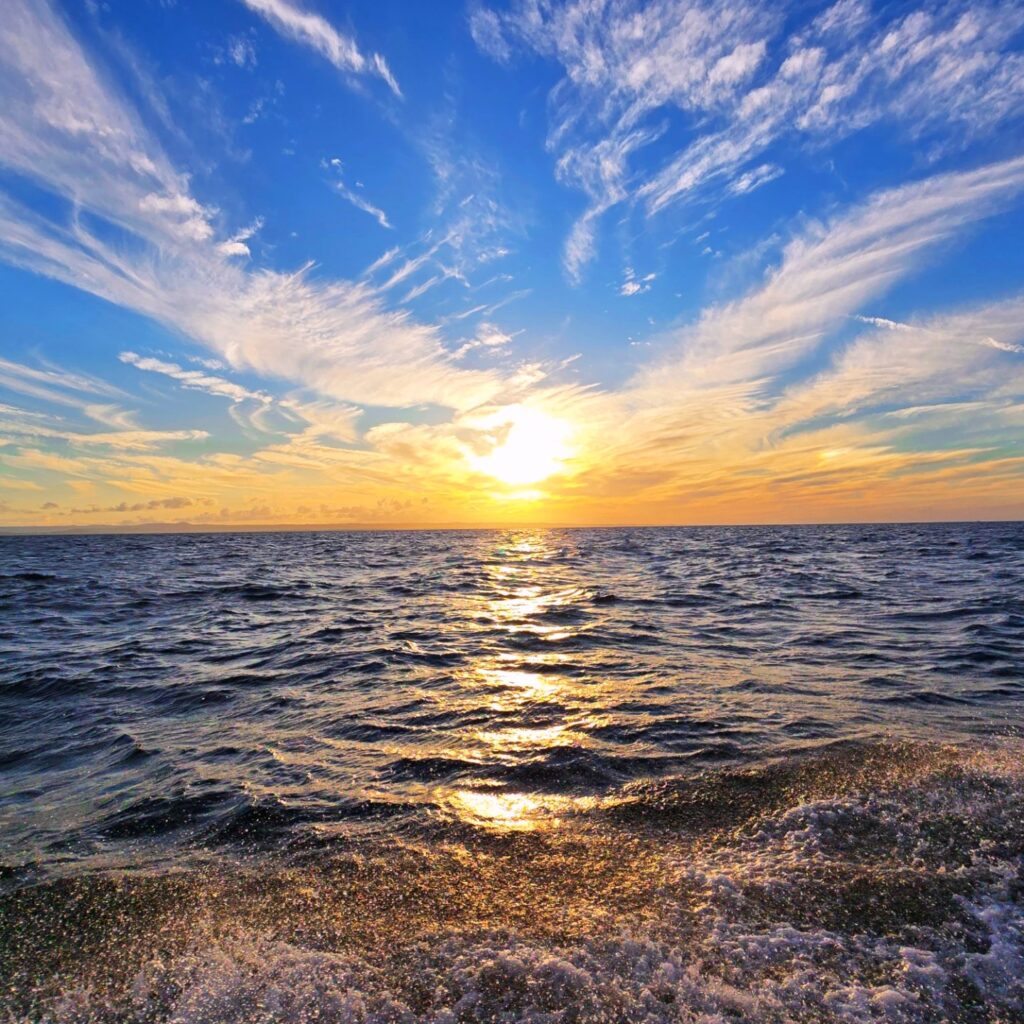
Once we left the choppier waters where the Caribbean and Atlantic meet, our boat turned toward a private resort cove, all glass‑calm and turquoise. The sea suddenly shifted from deep blue to bright, tropical greens and blues, the kind of colors you usually only see on postcards. We had time for a cool, refreshing swim and a tropical cocktail on the sand before cruising back toward the docks near Samaná.
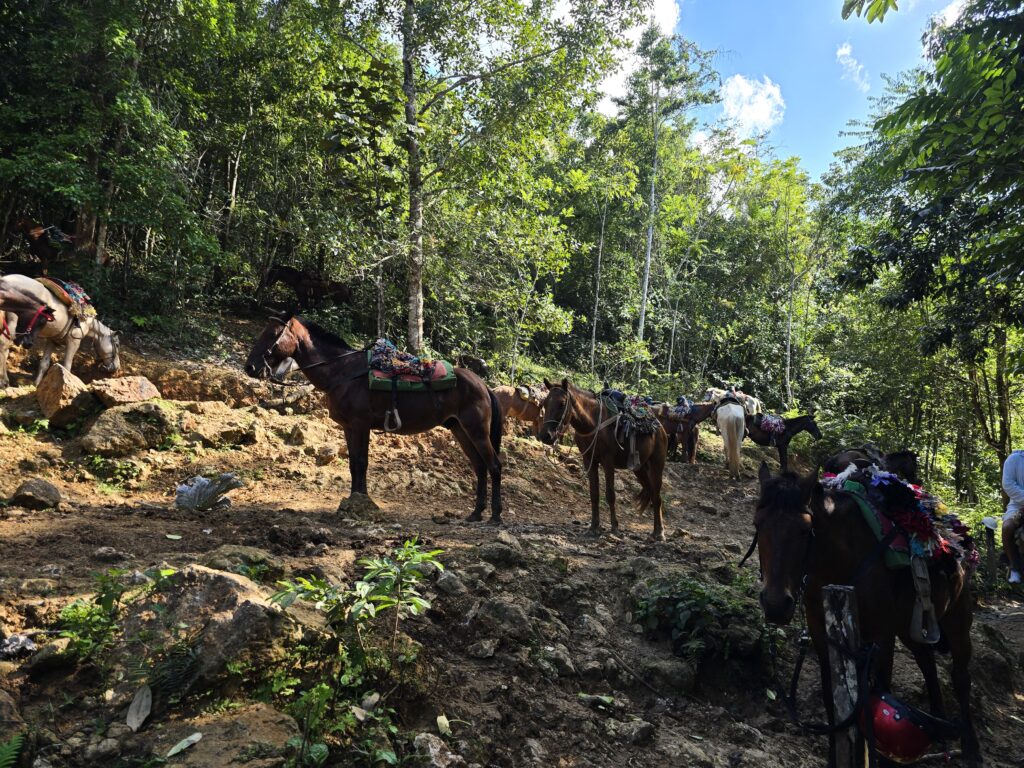
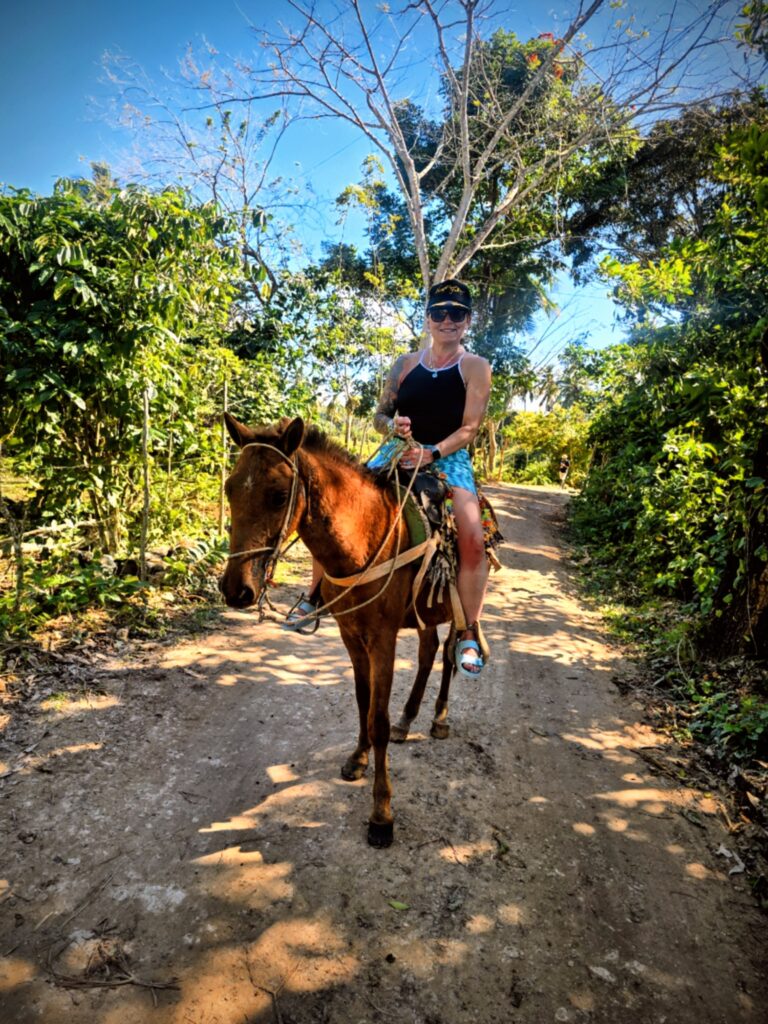
From there, we swapped the boat for an open‑air truck and rumbled inland toward El Limón, a small rural village tucked into the hills on the Samaná Peninsula. This region is known as one of the greenest corners of the Dominican Republic—humid, lush, and packed with coconut palms, cacao trees, and small farms. In El Limón, we gorged on local food—simple, hearty Dominican dishes that taste even better after a day in the sun—before mounting horses and heading up the trail to Cascada El Limón.
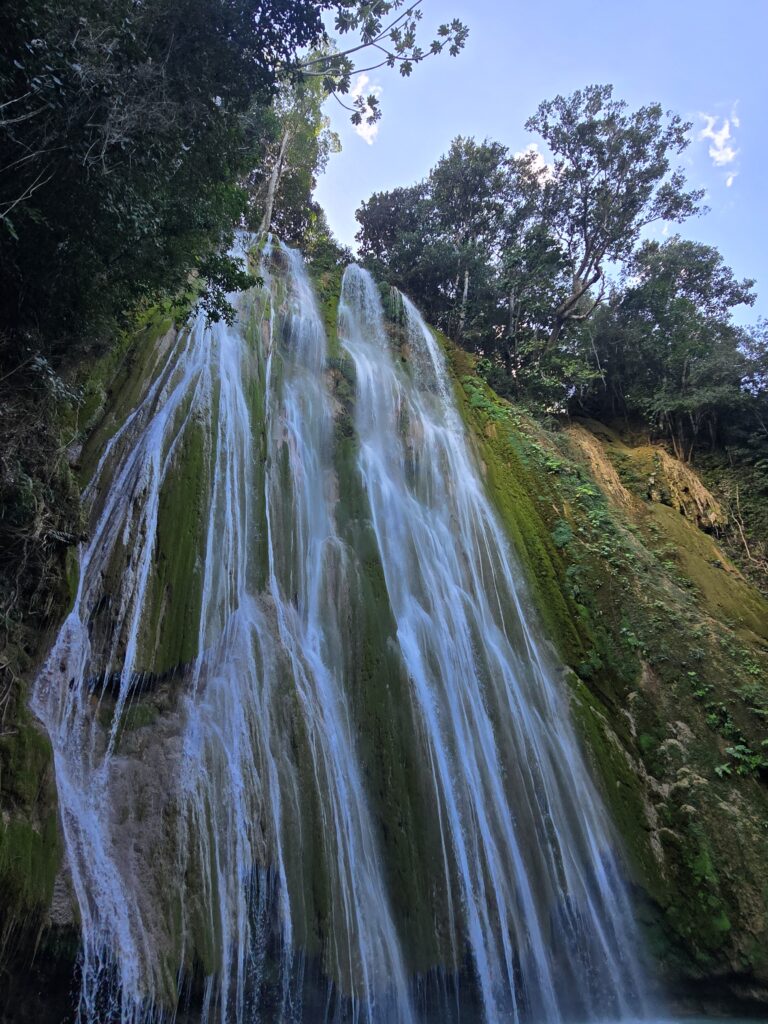
Cascada El Limón is one of the most famous waterfalls in the country: roughly 130–165 feet high, crashing into a cool emerald pool surrounded by dense tropical forest. The trail to reach it usually takes around 30–45 minutes on horseback (or on foot if you prefer), winding past small homesteads, plantain and cacao plots, and muddy, jungle‑like paths that make the plunge at the end feel well earned. At the base of the falls, visitors can swim in the natural pool, let the spray cool them down, and look up at the curtain of water dropping from the rock face above.
It’s a striking contrast: in a single day, watching humpback whales in an open ocean sanctuary, sipping cocktails in turquoise shallows, and then climbing into the green mountains to stand at the foot of one of the Dominican Republic’s most iconic waterfalls.
Beyond the Winter Blues: What This Trip Left Behind
For all of this, it’s worth remembering: this was just a quick winter escape, a short getaway to shake off the cold and trade gray skies for turquoise water and chinola cocktails. Our days were full of food, whales, waterfalls, and salt on our skin—but our evenings slowed down.
Most nights we settled into simple routines: listening to live music, exchanging small pleasantries with the people around us, and indulging in one of my favorite pastimes—people‑watching. Sitting on a terrace or at a bar, you can learn a lot about a neighborhood just by watching how everyone interacts: who greets whom, who lingers to chat, how the music pulls people together.
One day, that quiet observation turned into something more. We struck up a conversation with a young Cuban man who had recently immigrated to the Dominican Republic. In perfect English—another surprise—he shared his story. His father was an American‑Cuban who had traveled to Cuba, fell in love with his wife, and decided to stay there with her, giving up the comforts and freedoms of life in the United States. Over the years, they watched Cuban society decline: long days without electricity, food shortages, hunger, and a constant drumbeat of propaganda and indoctrination against the U.S. and against the idea of freedom itself.
Through all of that, his father insisted on one thing: that his son learn English, and that he understand two truths—that things can always be worse, and that one day he might find a way to seek out something better. Now, as a trained civil engineer, he had been in the Dominican Republic for only eleven days. Because of that excellent English, he had already found work, was earning more than many locals, and had an apartment with something he spoke of almost reverently: air conditioning.
He told us, very simply, that he has never been depressed—but he has been hungry. That line has echoed in my mind ever since. It was a reminder of how radically different our lives and frames of reference can be: for us, this trip was a brief escape from the winter blues; for him, it was the fragile beginning of a completely new life.
As you read this and maybe daydream about your own Caribbean escape, I hope you’ll carry that contrast with you. Punta Cana is beaches, food, cocktails, whales, and waterfalls—but it’s also the stories of the people who live and work there, and of those, like this young Cuban, who arrive with nothing but a skill, a language, and a fierce determination to build something better.

4 responses to “4 Days in Punta Cana: From Winter Blues to Turquoise Hues”
Love this 🩷
Thanks for taking the time to comment. I am always open to suggestions and ideas too.
I enjoyed this very much I. Hope to go on a trip soon . Thanks for my journey!
I am so glad you enjoyed it. I hope I can share a little of our travels with everyone.